
Nocturia Keeping You Awake? 4 BPH Health Risks
A man’s prostate never stops growing. And eventually, that growth keeps a lot of men up at night.
Benign prostatic hyperplasia (BPH), or an enlarged prostate, is the leading reason men visit a urologist. As many as half of all men by the age of 60 experience symptoms of BPH, which include trouble starting to urinate, a weak pee stream, and frequent urination at night.
That last symptom – the need to get up and pee at night, interrupting sleep – is a form of nocturia, or more specifically, nocturnal urinary frequency. It may sound like the title of a symphony, but nocturia is not restful. In fact, it is among the most common hints that a prostate is growing large enough to interfere with normal urinary functions.
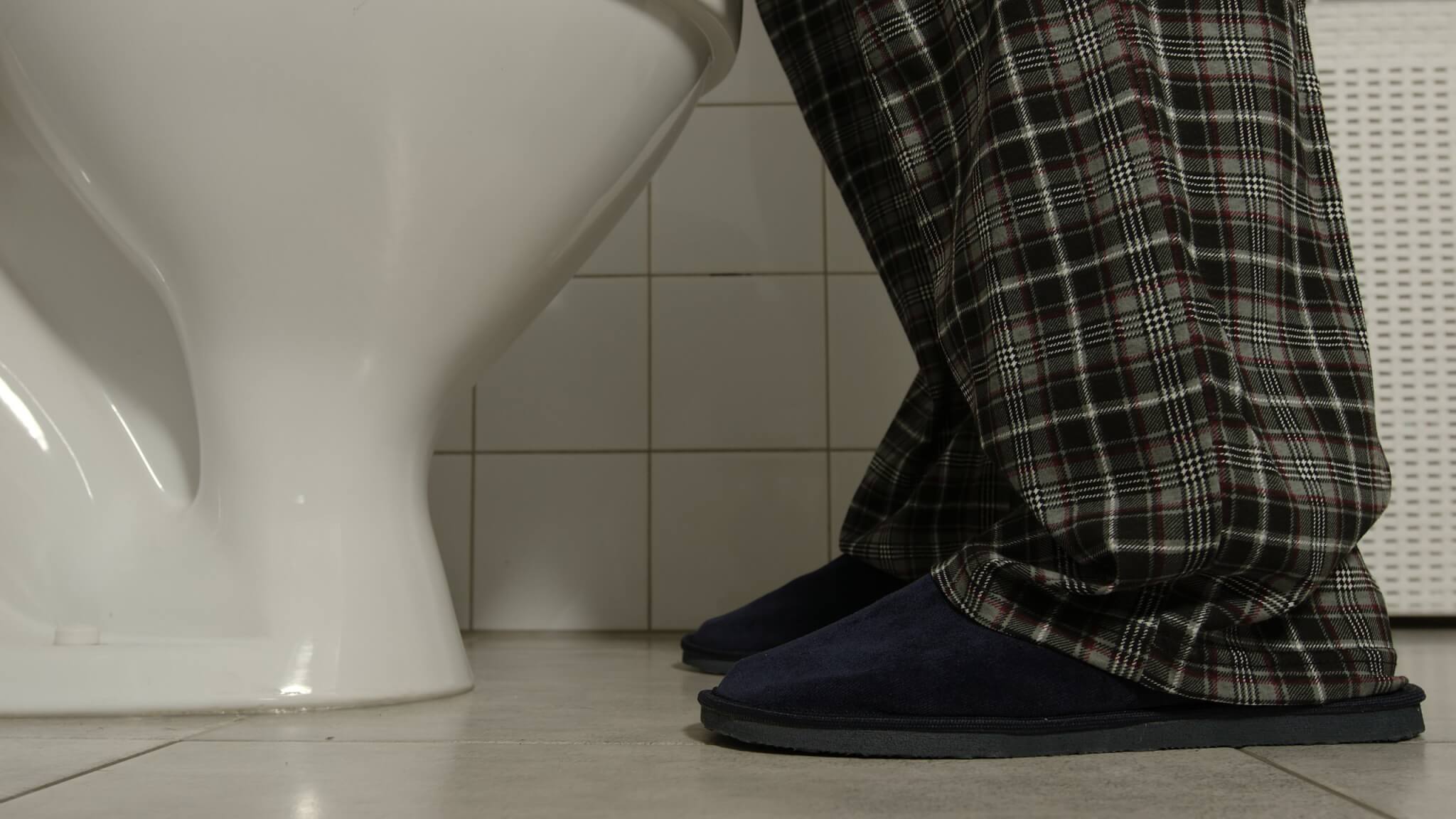
Here’s Why Your Prostate May Be Keeping You Awake
The prostate sits at the base of the bladder and behind the penis, and through its center runs the urethra, the tube that carries urine out of the body. The prostate is normally the size of a walnut, but it can begin to enlarge when a man approaches his 40s and 50s. Over a period of time, this growth could potentially block the urethra.
The good news is BPH is non-cancerous. However, its symptoms could become more than a nuisance. In fact, frequent and troubled urination patterns can affect one’s health in other ways:
- It could weaken the bladder. If the urethra is closed off, the bladder will have to contract harder to push urine out. Over time, this weakens the bladder, potentially leading to other BPH urinary symptoms.
- It can result in urinary tract infections (UTIs). When the bladder doesn’t fully empty, the residual urine could increase the risk of a urinary tract infection (UTI). Frequent UTIs can lead to kidney infections and sepsis.
- Stored urine causes stones. When the bladder doesn’t completely empty, the minerals and salts in the urine are more likely to form into stones. Bladder and kidney stones also block urine flow – a double whammy to the BPH – and can cause infections, acute pain, and blood in the urine.
- The kidneys may suffer. The kidneys are attached to the bladder through two ureters, the ducts through which urine passes. If urinary retention causes pressure on the bladder, it could eventually damage the kidneys. Also, if the bladder is infected, that infection could spread to the kidneys.
Don’t Lose Sleep; BPH Care May Be Easier Than You Think
If caught early, nocturia-related symptoms of BPH can be treated non-invasively. Lifestyle modifications, such as changing diet and performing pelvic-strengthening Kegel exercises, are a likely start. Medications, including muscle relaxants, also can relieve the symptoms of mild to moderate BPH.
For more severe urinary symptoms related to advanced cases of BPH, you do have minimally invasive treatment options. These include:
Prostate artery embolization (PAE) – We introduced PAE treatments at The Urology Group in 2025 as a low-risk, less-expensive alternative to surgery. Rather than cutting tissue away, this incision-free approach starves the enlarged tissue by limiting its blood supply. This is accomplished by injecting microscopic particles through a small needle/microcatheter in your inner thigh and guiding them to the arteries that feed blood to the enlarged tissue. The particles then lodge in the arteries and block blood flow to the tissue, causing it to shrink from lack of nutrients. We perform this outpatient procedure with the guidance of X-ray imaging at our Interventional Radiology (IR) Center. You can access our PAE handout here.
UroLift System – This device can provide BPH relief by pulling enlarged prostate tissue away from the urethra using tiny, suture-based implants; no cutting or tissue removal. The doctor accomplishes this by inserting the implant device into the urethra toward the prostate, then positioning several of the implants in the prostate on either side of the urethra, attaching one tab to the inner prostate tissue and the other to the outer tissue. The implants immediately pull the tissue away from the urethra, providing real-time relief. We perform this procedure in outpatient setting. Read more about the UroLift procedure here.
Other treatment pathways:
In cases of BPH where the tissue is too large to manage through less-invasive options, your doctor might advise removing it via robotic surgery, lasers, or Aquablation therapy (water jets).
Treatment is necessary not only to monitor the prostate’s growth, but also to ensure a good night’s sleep. This too will improve overall health and recovery, and ideally make nocturia a sleepy memory.
To learn more about BPH, its symptoms, and treatments, visit our page dedicated to the condition. Men with chronic BPH may be referred to our BPH Clinic.
About the Author